

Types of Brick Bond Pattern
All you need to know about the different brick bonds that can be used. Understand the different types of bond pattern used in masonry. Whether its Flemish bond, English bond or more, this guide will give you all the detail you need.
Types of Brick Bond Patterns: A Comprehensive Guide
Brick bond patterns are essential in construction, offering both structural integrity and aesthetic appeal. Choosing the right pattern can significantly influence the look and strength of a wall. This guide explores the most common types of brick bond, helping you decide which one suits your project best.
What is a Brickwork Bond Pattern?
A brick bond refers to the arrangement of bricks in a wall. The primary purpose of a bond is to ensure the stability and strength of the wall, but it also contributes to its visual appeal. Different patterns can enhance the aesthetic value of a structure while also addressing functional requirements.
Common Types of Brick Bond Patterns
1. Stretcher Bond
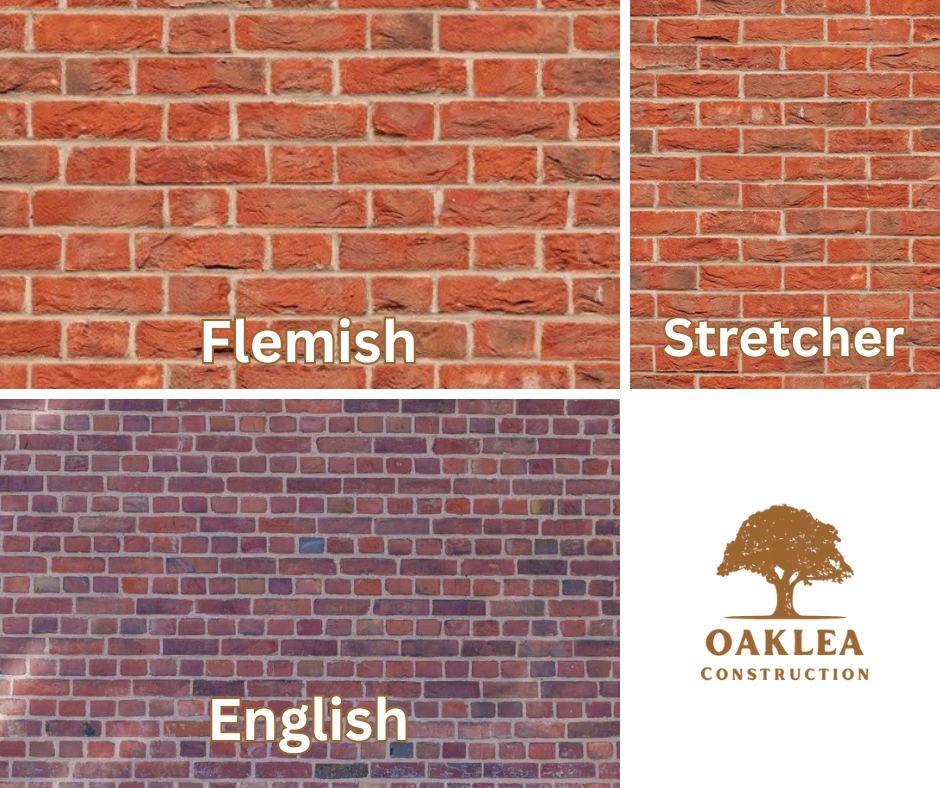
Description: The stretcher bond is one of the simplest and most commonly used brick bond patterns. It consists of bricks laid horizontally, with each brick overlapping the one below it by half its length.
Uses: This bond is ideal for walls that are only one brick thick and is commonly used in garden walls and partitions.
Advantages:
- Easy to lay.
- Economical.
- Suitable for thin walls.
2. Header Bond
Description: In a header bond, all bricks are laid with their ends (headers) facing the exterior. Each header is centred over the brick below it, creating a robust and visually striking pattern.
Uses: Suitable for walls that are one brick thick, providing a strong and stable structure.
Advantages:
- Strong and durable.
- Creates a solid wall structure.
3. English Bond
Description: The English bond alternates a course of stretchers (stretcher course) and a course of headers (header course). This pattern provides excellent strength and stability, making it ideal for load-bearing walls.
Uses: Commonly used in the construction of bridges, tunnels, and thick walls.
Advantages:
- High strength and stability.
- Good load distribution.
4. Flemish Bond
Description: The Flemish bond alternates stretchers and headers in each row, with each header centred over the stretcher below it. This pattern creates a visually appealing and strong wall.
Uses: Often used in aesthetic brickwork, such as facades and decorative walls.
Advantages:
- Attractive appearance.
- Good structural integrity.
5. English Garden Wall Bond
Description: This bond pattern involves laying three rows of stretchers followed by a row of headers. It is less complex than the English bond but still offers good strength.
Uses: Suitable for garden walls and decorative structures.
Advantages:
- Economical use of bricks.
- Attractive and practical for garden walls.
6. Flemish Garden Wall Bond
Description: Similar to the English garden wall bond, the Flemish version alternates between rows of stretchers and a single header in each row.
Uses: Ideal for decorative walls where aesthetics are important.
Advantages:
- Visually appealing.
- Adequate strength for non-load-bearing walls.
7. Herringbone Bond
Description: The herringbone bond pattern involves laying bricks at a 45-degree angle to create a zigzag effect. This pattern is highly decorative and is often used for paving and ornamental brickwork.
Uses: Commonly used in pathways, patios, and accent walls.
Advantages:
- Highly decorative.
- Unique and eye-catching design.
8. Stack Bond
Description: In a stack bond, bricks are stacked directly on top of each other, with all joints aligned vertically. This pattern is not as strong as others and is often used for decorative purposes.
Uses: Suitable for non-load-bearing walls and decorative facades.
Advantages:
- Simple and modern appearance.
- Easy to lay.
Factors to Consider When Choosing a Brick Bond Pattern
- Structural Requirements: For load-bearing walls, patterns like the English and Flemish bonds are ideal due to their strength.
- Aesthetic Appeal: For decorative purposes, patterns like the herringbone and stack bonds offer unique visual effects.
- Ease of Laying: Some patterns, like the stretcher bond, are easier and quicker to lay than others.
- Brick Size and Shape: The size and shape of the bricks can influence the choice of bond pattern.
Conclusion
Choosing the right brick bond pattern is crucial for both the structural integrity and aesthetic appeal of a wall. Whether you need a strong, load-bearing wall or a decorative feature, understanding the different types of brick bonds can help you make an informed decision. For more detailed information and specific guidelines, refer to resources like the Planning Portal and local building regulations. Whilst some of the bonds mentioned are better suited to solid brick wall structures, they can be used in cavity wall systems where half a brick is used as opposed to a full brick header. We feel that using courses of stretchers and headers provides a great finish and brings character to the build, our favourite masonry bond is Flemish bond for this reason.
