
The Different Types of Plasterboard Explained
There are a number of different types of plasterboard used on construction projects, this article will explain the many different types of plasterboard and which ones you may need for your renovation project.
Different Types of Plasterboard Used in the UK and Why
Plasterboard, also known as drywall or gypsum board, is a vital material in modern construction, used widely for interior walls and ceilings. The UK market offers various types of plasterboard, each tailored to meet specific building requirements. This article explores the different types of plasterboard, their applications, and why they are used, providing insights for anyone involved in a home renovation or construction project.
What is Plasterboard?
Plasterboard consists of a central gypsum layer sandwiched between two layers of paper. This material is versatile and easy to install, making it a popular choice for builders. It comes in various thicknesses, typically 9.5mm and 12.5mm, and offers different types of insulation and protection, depending on the specific needs of the project.
Types of Plasterboard in the UK
1. Standard Plasterboard
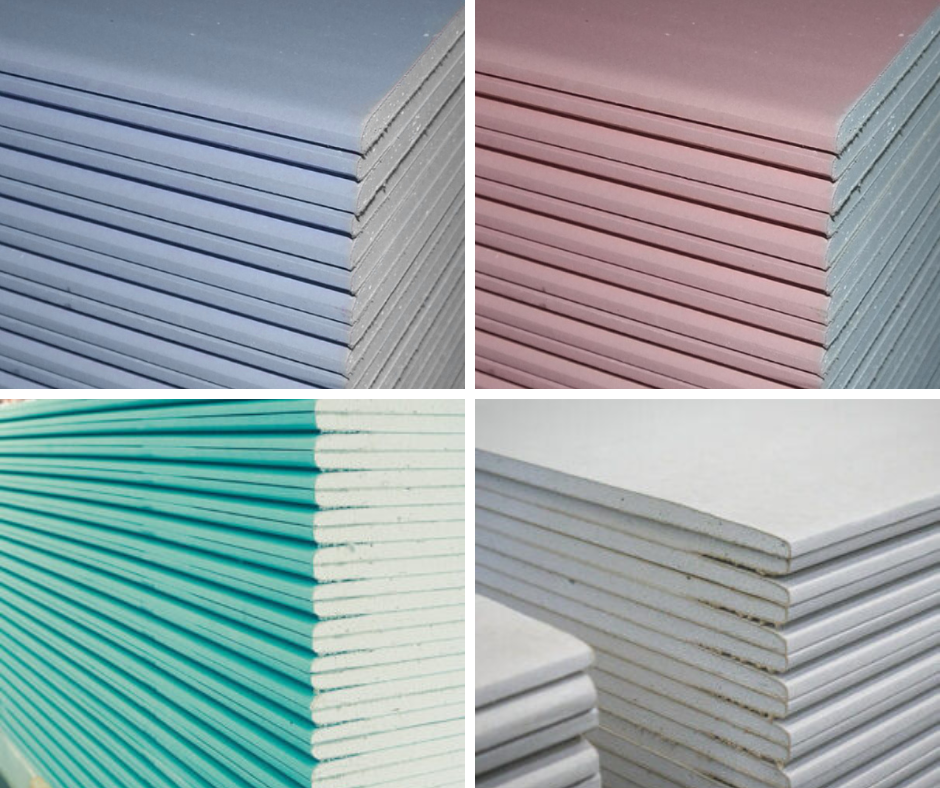
Description: Standard plasterboard is the most commonly used type and is typically grey. It comes in thicknesses of 9.5mm and 12.5mm.
Uses:
- Interior walls and ceilings
- General purpose areas
Why Use It? Standard plasterboard is ideal for everyday use due to its cost-effectiveness and ease of installation. It is versatile and suitable for various applications within residential and commercial buildings.
2. Fire-Resistant Plasterboard
Description: Fire-resistant plasterboard, often referred to as fire boards, is specifically designed to withstand high temperatures. It usually has a pink paper finish and a denser core to provide fire resistance.
Uses:
- Fire-rated partitions
- Ceilings
- Enclosures around structural elements like steel beams
Why Use It? Fire-resistant plasterboard provides critical fire safety, helping to prevent the spread of fire and ensuring compliance with building regulations. It is essential in areas where fire performance is a priority.
3. Moisture-Resistant Plasterboard
Description: Moisture-resistant plasterboard, also known as water-resistant plasterboard, is designed to resist moisture absorption. It typically has a green paper finish and is treated with a moisture-resistant additive.
Uses:
- Bathrooms
- Kitchens
- Utility rooms
- Wet areas
Why Use It? This type of plasterboard is crucial for areas with high humidity, preventing mould and decay. Its moisture resistance makes it ideal for kitchens and bathrooms where water splash and humidity are common.
4. Acoustic Plasterboard
Description: Acoustic plasterboard is denser and designed to reduce sound transmission. It typically has a blue paper finish and contains a denser core to provide sound insulation.
Uses:
- Bedrooms
- Home offices
- Media rooms
- Party walls
Why Use It? Acoustic plasterboard enhances sound insulation, creating quieter and more comfortable living spaces. It is particularly useful in multi-occupancy buildings to reduce noise between units.
5. Thermal Insulated Plasterboard
Description: Thermal insulated plasterboard, or insulated plasterboard, has an additional layer of insulating material, such as expanded polystyrene or polyurethane foam, bonded to the back.
Uses:
- External walls
- Loft conversions
- Cold areas of a house
Why Use It? This type of plasterboard improves thermal efficiency, reducing heat loss and contributing to energy savings. It is essential for enhancing the thermal performance of a building.
6. Impact-Resistant Plasterboard
Description: Impact-resistant plasterboard is reinforced to withstand physical impacts and is typically used in high-traffic areas.
Uses:
- Schools
- Hospitals
- Corridors
- Public buildings
Why Use It? Impact-resistant plasterboard offers durability and longevity in environments where walls are subject to frequent knocks and bumps. It is ideal for areas that need to withstand wear and tear.
7. Foil-Backed Plasterboard
Description: Foil-backed plasterboard has a reflective foil layer on the back, which acts as a vapor barrier.
Uses:
- External walls
- Roof spaces
- Areas where vapor control is required
Why Use It? Foil-backed plasterboard prevents moisture penetration, protecting the structure from damp and mould. It is particularly useful in poorly ventilated spaces.
8. Flexible Plasterboard
Description: Flexible plasterboard is designed to bend and curve without breaking, allowing for creative architectural designs.
Uses:
- Curved walls
- Architectural features
- Rounded edges
Why Use It? Flexible plasterboard is ideal for projects that require curved surfaces, providing builders with the ability to create unique and aesthetically pleasing designs.
Conclusion
Choosing the right type of plasterboard is crucial for ensuring the durability, safety, and comfort of a building. Each type of plasterboard offers unique benefits tailored to specific applications, whether it’s fire resistance, moisture protection, sound insulation, or thermal efficiency. Understanding the properties and uses of these various plasterboards can help builders and homeowners make informed decisions for their construction projects.
By considering factors such as environmental conditions, building regulations, and specific functional requirements, you can select the appropriate plasterboard that not only meets the structural needs but also enhances the overall quality of the building. For more detailed information and guidelines, referring to resources like the Planning Portal and local building regulations is highly recommended.
