
The Ultimate Guide to Building a House Extension: Extend Your Home Today!
Unlock the potential of your home with our complete guide to building a house extension. From planning permission to costs, follow our step-by-step guide today!
The Ultimate Guide to Building a House Extension: Extend Your Home Today!
Building a house extension is an exciting opportunity to create additional living space, enhance functionality, and boost the value of your home. Whether you’re planning a small single-storey extension or a larger two-storey addition, understanding the process is crucial to ensure a smooth project. This comprehensive guide will walk you through everything you need to know to transform your home into your dream space.
Why Build an Extension?
- Add Living Space: A house extension provides the extra space you need, whether it’s a home office, a larger kitchen, or a new bedroom.
- Increase Property Value: A well-designed extension can significantly increase your home’s market value.
- Customize Your Home: Extensions offer flexibility in design, allowing you to tailor your home to your lifestyle.
- Avoid Moving Costs: Instead of relocating, you can modify your existing house to meet your changing needs.
1. Single-Storey Extension
A single-storey extension is ideal for expanding kitchen or living areas. They’re cost-effective and often fall under permitted development. These extensions are particularly popular in detached houses and semi-detached homes.
2. Two-Storey Extension
A two-storey extension provides double the space, ideal for adding bedrooms and bathrooms. They may require planning permission depending on the height and proximity to neighbours.
3. Side Return Extension
Maximizing unused space on the side of your property, a side return extension can create a bright, open-plan living area, particularly suited for terraced houses.
4. Loft Extensions
A loft extension is a smart way to utilize unused attic space, perfect for creating an additional bedroom or home office without altering your home’s footprint.
5. Basement Extensions
A basement extension is an excellent option for urban homes where outdoor space is limited. It can be used for gyms, entertainment rooms, or storage.
Steps to Resolve a Boundary Dispute
If a boundary dispute arises, follow these steps to resolve it effectively:
1. Identify the Problem
The first step is reviewing the land registry and property deeds to determine the legal boundary. For more complex cases, hiring a surveyor to conduct a boundary survey is crucial. Their expertise can provide clarity on the boundary’s exact position.
2. Seek Mediation
Mediation is a less confrontational and cost-effective way to resolve disputes. A neutral mediator helps the parties reach a mutually agreeable solution, avoiding costly litigation.
3. Consult a Solicitor
If mediation fails, a solicitor experienced in property disputes can provide legal advice. They can help draft a deed to document any agreement reached or represent you in court.
4. Use Dispute Resolution Services
The alternative dispute resolution (ADR) process is a formal but less adversarial approach than court proceedings. ADR services help resolve disputes early and save on legal costs.
5. Litigation as a Last Resort
When all else fails, litigation may be necessary. In such cases, consult a property litigation solicitor to represent your case in court.
Planning Your House Extension
Step 1: Understand Building Regulations
Extensions must comply with building regulations, ensuring safety, energy efficiency, and structural integrity. These rules govern aspects like insulation, electrical systems, and drainage. A building inspector may visit your property at various stages to ensure compliance.
Step 2: Determine if You Need Planning Permission
While many extensions fall under permitted development, others require planning permission. Check with your local planning authority to confirm what rules apply to your area.
Step 3: Work with Professionals
Engaging a design and build company like Oaklea Construction ensures your project is managed efficiently from start to finish. Architects, engineers, and project managers will collaborate to bring your vision to life.
Costs Involved in Building an Extension
Understanding the costs is essential for budgeting. Here’s a breakdown:
- Extension Costs
- Single-storey extensions: £1,200 – £2,000 per square meter.
- Two-storey extensions: Slightly lower per square meter for the second floor.
- Additional Costs
- Planning Permission: Typically £200 – £500.
- Building Regulations Approval: Around £300.
- Extension Insurance: To cover potential risks during construction.
- Finishes and Features
- The cost of kitchens, bathrooms, or bespoke features can significantly impact the overall budget.
Designing Your Extension
Work closely with an architect to create a design that complements your existing house. Consider:
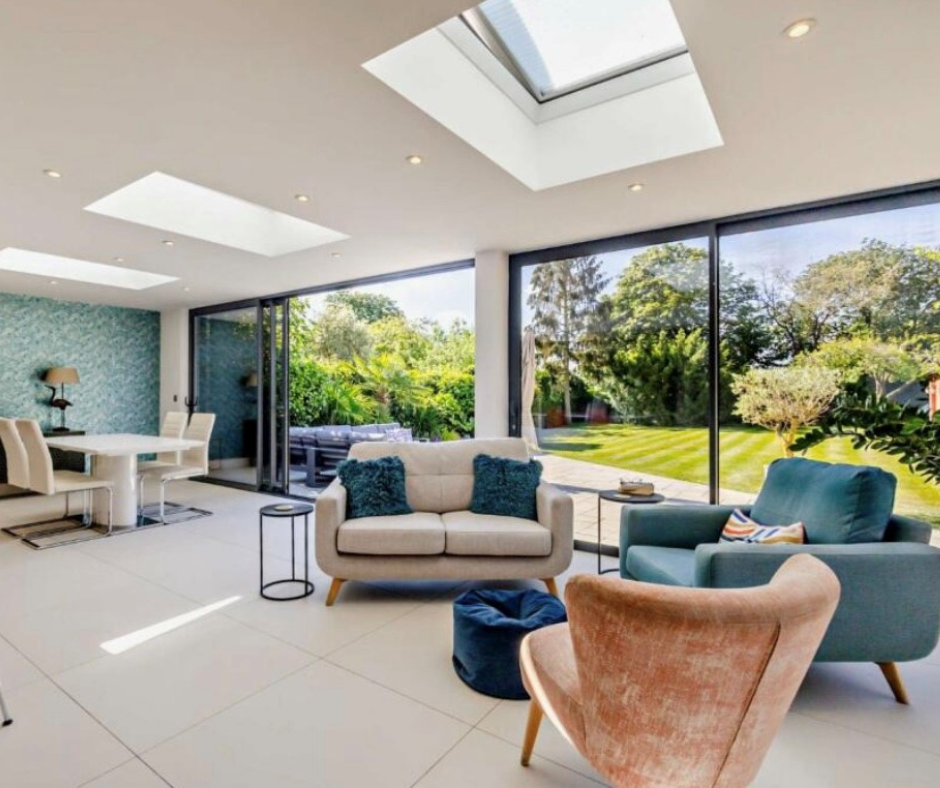
- Natural Light: Incorporate skylights, bifold doors, or glass panels.
- Layout: Optimize the flow of your living spaces.
- Future Needs: Plan for potential changes in your family’s needs.
The Construction Process
Step 1: Initial Consultation
Start with a consultation to discuss your ideas, budget, and timeline.
Step 2: Obtain Necessary Permissions
Secure any required approvals, including a building notice or listed building consent, if applicable.
Step 3: Start Building
Construction includes:
- Foundations: Laying the groundwork for your extension.
- Structural Work: Erecting walls and installing the roof.
- Fitting and Finishing: Adding interior details like flooring, kitchens, and utilities.
Step 4: Inspection and Completion
After the build, the building inspector will ensure everything complies with regulations. Once approved, you can enjoy your new space.
Key Considerations for Your Extension Project
- Type of Extension Decide on a type of house extension that suits your needs, whether it’s a single-storey extension or a two-storey extension.
- Insurance and Legalities Arrange extension insurance and update your home insurance to cover the new addition.
- Working with Neighbours Inform neighbours of your plans to avoid disputes, especially for projects near boundary lines.
- Sustainability Use eco-friendly materials and energy-efficient designs to reduce your extension’s environmental impact.
Why Choose Oaklea Construction?
At Oaklea Construction, we specialize in managing house extension projects from concept to completion. Here’s why homeowners in Chelmsford and across Essex choose us:
- Expertise: Years of experience in delivering high-quality extensions.
- Transparency: Clear communication and no hidden costs.
- Compliance: We handle all aspects of building regulations and planning permission.
- Customer Satisfaction: Our goal is to exceed your expectations.
FAQs
Do I need planning permission for a house extension?
Many extensions fall under permitted development, but larger projects may require planning permission.
How long does it take to build an extension?
A single-storey extension typically takes 8-12 weeks, while a two-storey extension may take longer.
What is the cost of building a house extension?
The extension cost depends on size, materials, and finishes. On average, expect to pay £30,000 – £50,000 for a single-storey extension.
Final Thoughts
Building a house extension is a significant investment that can transform your home and lifestyle. With careful planning, the right team, and attention to detail, your extension will provide functionality, beauty, and value.
Contact Oaklea Construction Today!
Let Oaklea Construction guide you through the process. From the initial extension plans to the final inspection, we’ll ensure your extension meets the highest standards. Contact us for a free consultation and bring your dream home to life!
