
Do You Need Planning Permission for an Extension? | Planning Permission for Extensions
Discover if you need planning permission for an extension, including permitted development rights, application processes, and regulations for single-storey extensions.
Do You Need Planning Permission for an Extension? | Planning Permission for Extensions
Building an extension to your home is an exciting way to add extra space and enhance your property’s value. Whether you are thinking of adding a single-storey extension, a side extension, or even a kitchen extension, one of the key questions that often comes up is whether or not you need planning permission.
Understanding the rules around planning permission for extensions is crucial before starting your extension project. In this comprehensive guide, we’ll break down everything you need to know about planning permission, including when it’s required, how to navigate the process, and what you can do if you fall under permitted development rights.
What is Planning Permission?
Planning permission is the formal approval you need to build or modify a structure, such as a house extension. It ensures that your construction plans are in compliance with local planning laws, which regulate the aesthetic and functional aspects of buildings within a community. Whether you are looking to extend your home, convert your loft, or build a new extension, planning permission ensures that your building work adheres to building codes and regulations.
Do You Need Planning Permission for an Extension?
The answer to this question depends on several factors, such as the type of extension you want to build, the size of your extension, and the location of your property. Planning permission for extensions is required for some cases, but there are also permitted development rights that allow certain types of extensions to be built without the need to apply for planning permission.
Here’s a breakdown of when you need planning permission and when you can build without it:
When is Planning Permission Required?
- Size and Type of Extension
- If you are building a single-storey extension that extends more than 3 meters beyond the rear wall of your detached house (or more than 4 meters for a two-storey extension), planning permission is likely required.
- Single-storey rear extensions that are more than 4 meters wide also require planning permission.
- The height of your extension plays a role as well. For instance, extensions higher than eaves height of 4 meters will likely need full planning permission.
- Listed Buildings and Conservation Areas
- Listed buildings and homes located in conservation areas or areas of outstanding natural beauty have stricter regulations. You will almost certainly need planning permission for any extension work. Even a small side extension may require approval, especially if your property is a listed building or in a protected zone.
- Designated Areas
- If your property is located in a designated area like the Green Belt, area of outstanding natural beauty, or near a national park, you may need planning permission for any form of extension. This is to protect the landscape and ensure that new developments do not disrupt the area’s aesthetic or environmental value.
- Height and Position
- Extensions over two storeys, or any extension that extends beyond the side or rear boundary of your property may require planning permission. For instance, if you want to build an extension that is higher than the roof or closer than 2 meters from the boundary with your neighbour’s property, you’ll need to apply.
- If You Are Building Close to Property Lines
- Extensions to the side of your house may require planning permission if the extension comes within 2 meters of the boundary. This is particularly true for properties where side return extensions are common, such as terraced houses or semi-detached homes.
When Can You Build Without Planning Permission?
Permitted development rights allow certain extensions to be built without planning permission. These rights were introduced by the government to make it easier for homeowners to extend their properties without the burden of lengthy planning processes.
What Falls Under Permitted Development Rights?
- Single-Storey Extensions:
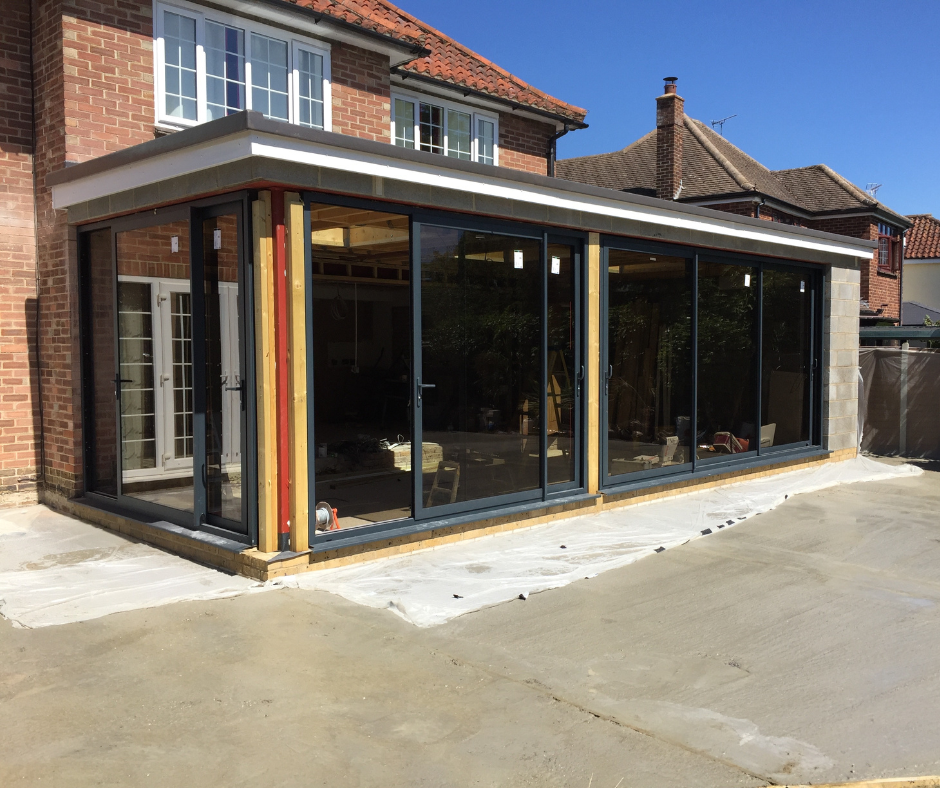
- Single-storey rear extensions up to 3 meters for semi-detached or terraced houses and up to 4 meters for detached houses generally don’t need planning permission. They must also not exceed the maximum height of 4 meters.
- Side Extensions:
- A side extension that is no more than 4 meters wide, and doesn’t extend beyond the front of your property, is likely to be permitted under permitted development rights.
- Roof Extensions:
- If you’re considering a loft extension or adding roof lights (Velux windows) that don’t extend beyond the roofline, it may not require planning permission. However, if the roof volume increases by more than 40 cubic meters, you may need permission.
- Material and Design:
- If your extension uses materials that are in keeping with your existing house, such as matching bricks and roofing tiles, the extension may fall under permitted development rights. This helps maintain the visual appeal of your property and neighbourhood.
Conditions of Permitted Development
Even though permitted development rights allow you to build without planning permission, there are limitations and conditions you must adhere to:
- Your extension must be within specific size limitations (e.g., height, width, and volume).
- Extensions cannot be built on the front of your house; they must be at the rear or side.
- Extensions under permitted development rights cannot reduce the size of your garden by more than 50%.
What Happens if You Build an Extension Without Planning Permission?
If you decide to build an extension without seeking planning permission, you risk facing serious consequences. If your extension violates building regulations or goes beyond the permissible limits of your permitted development rights, you could be ordered to:
- Demolish the extension.
- Remove non-compliant features like windows or doors.
- Face legal action and pay fines.
Even if you think your extension does not need planning permission, it’s always wise to contact your local planning authority to double-check.
How to Apply for Planning Permission for Your Extension
If you need planning permission for your extension, here are the basic steps:
- Prepare Your Design and Plans:
- Extension plans should be drawn by a qualified architect. Your plans should include details on the size, design, and materials used for your extension.
- Submit Your Application:
- Once your plans are ready, you can submit your planning application to your local planning authority. In some cases, a full planning application may be required.
- Consultation and Decision:
- The local council will review your plans and consult with neighbours to ensure there are no objections. In some cases, they may request modifications.
- Building Regulations Approval:
- Once you have planning permission, you’ll also need to ensure your extension complies with building regulations. This covers structural integrity, heating, plumbing, and more.
- Commence Building:
- After obtaining the necessary approvals, you can begin construction. Throughout the process, you’ll need to work with a qualified builder and ensure that your extension is completed according to the approved plans.
When Can You Apply for Retrospective Planning Permission?
In some cases, if you’ve already begun or completed your extension without planning permission, you can apply for retrospective planning permission. This allows you to rectify the situation and make the extension compliant with local regulations.
However, there is no guarantee that your application will be approved, so it’s always best to check first and avoid the risk of facing potential legal issues.
Why Choose Oaklea Construction for Your House Extension
If you’re considering extending your home, Oaklea Construction is here to help. With years of experience in house extensions, our team can guide you through every step of the process, from obtaining planning permission to construction. We specialise in single-storey extensions, side extensions, kitchen extensions, and much more.
Oaklea Construction ensures that your extension project complies with all necessary regulations and delivers a high-quality result that meets your needs.
Conclusion
Deciding to extend your home is an exciting journey, but it’s essential to understand the planning permission process. Whether you need planning permission or are building under permitted development rights, knowing the rules will save you time and prevent costly mistakes.
If you’re unsure about whether you need planning permission or need help navigating the process, contact Oaklea Construction today. Our team of experts will assist you in planning your extension, obtaining the required approvals, and ensuring a smooth build. Get in touch with us for your free consultation and extend your home with peace of mind.
