
Architrave Profiles: A Comprehensive Guide
Introduction to Architrave Profiles
What Are Architrave Profiles?
Architrave profiles are decorative mouldings that frame doors, windows, and other openings in a building. Traditionally made from wood, they are now available in various materials including MDF (Medium Density Fibreboard), plaster, and polyurethane. These profiles not only enhance the visual appeal but also provide a seamless transition between different architectural elements.
Importance of Architrave Profiles
The primary function of architrave profiles is to conceal the joint between the wall and the door or window frame, providing a smooth and seamless transition. This concealment is crucial for maintaining the aesthetics of a room and ensuring a professional finish. Additionally, architraves help in covering any imperfections or gaps, giving the space a polished look.
Summary
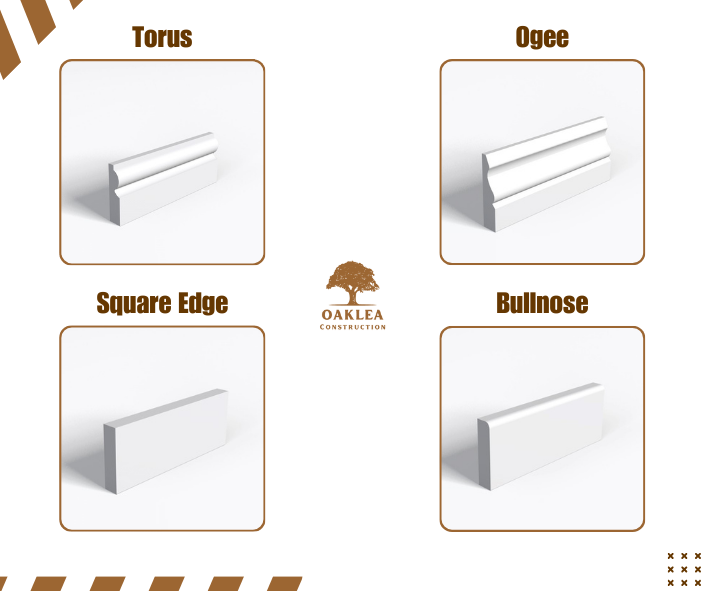
Architrave profiles are essential architectural elements that add aesthetic value and finish to doorways, windows, and other openings. This guide explores the 4 main types of architrave profiles, their benefits, and how to choose the right one for your home or project. Additionally, it delves into the materials used, such as MDF, and related elements like skirting boards and dado rails. It goes without saying that you should consider architraves and skirtings at the same time as these should match for consistency.
Types of Architrave Profiles
Ogee Architrave
The ogee profile features a distinctive S-shaped curve, providing a classic and elegant look. It’s a popular choice for traditional and period-style homes such as Victorian buildings to replicate the original character. The ogee’s intricate design adds a touch of sophistication and works well with ornate décor and furnishings.
Torus Architrave
Torus profiles are characterized by a rounded, semi-circular shape. This style is versatile and suits both modern and traditional interiors. The smooth, curved edge of the torus profile makes it a preferred option for those looking to blend different design elements seamlessly.
Bullnose Architrave
Bullnose profiles have a simple, rounded edge, making them ideal for contemporary and minimalist designs. They offer a clean, unobtrusive finish that complements sleek, modern interiors. The bullnose profile’s understated design allows other architectural features to take centre stage.
Square Edge Architrave
Square edge profiles are modern and straightforward, providing a sleek, angular look that complements minimalist and industrial design themes. The sharp lines of the square edge profile add a geometric element to the space, enhancing the overall modern aesthetic.
Benefits of Architrave Profiles
Aesthetic Enhancement
Architrave profiles add a decorative element that can transform the look of any room, making it appear more finished and stylish. Whether opting for a detailed ogee or a minimalist square edge, architraves bring a sense of completeness to the space.
Concealment of Imperfections
They effectively hide gaps and imperfections around doors and windows, creating a seamless transition between different surfaces. This ability to mask flaws is particularly beneficial in older buildings where walls may be uneven.
Increased Property Value
High-quality architrave profiles can increase the overall value of a property by enhancing its aesthetic appeal and architectural detail. Potential buyers often appreciate the added touch of well-chosen and installed architraves, skirting boards, and dado rails.
How to Choose the Right Architrave Profile
Consider Your Interior Design Style
Select a profile that complements the overall design theme of your home. For instance, ornate profiles work well in traditional settings, while simpler designs suit modern spaces. Consider the existing elements such as skirting boards and dado rails to ensure a harmonious look.
Material Selection
Choose a material that matches your needs in terms of durability, maintenance, and budget. Wood offers a classic look, while MDF (Medium Density Fibreboard) and polyurethane are cost-effective and easy to install. MDF, in particular, is a popular choice due to its smooth finish and versatility.
Size and Proportion
Ensure the size of the architrave is proportionate to the dimensions of the door or window it frames. Oversized profiles can overwhelm small spaces, while too-small profiles may look insignificant. Balance is key to achieving a seamless and polished appearance. For example, a 2440mm long MDF architrave set can be cut to fit perfectly around a single door or even a double-width door frame.
Installation Tips
Accurate Measurements
Measure the dimensions of the door or window frame accurately to ensure a perfect fit. Precision in measurement is crucial for achieving seamless joints and a professional finish.
Cutting and Joining
Use precise cutting tools to achieve clean, mitred joints. This will ensure a professional finish. For complex profiles, consider having the architraves made to order to guarantee accuracy and quality.
Secure Fixing
Use appropriate fixings and adhesives to secure the architrave in place, ensuring it remains firmly attached over time. Proper installation techniques will ensure the architraves withstand wear and tear.
Complementary Elements
Skirting Boards and Matching Skirting
Skirting boards are essential for protecting walls from kicks and furniture damage while also concealing the joint between the wall and the floor. Choosing matching skirting boards ensures a cohesive look throughout the room. MDF skirting is a popular choice due to its durability and ease of installation.
Dado Rails and Dado
Dado rails are decorative mouldings fixed horizontally along the wall, usually at waist height. They add a traditional touch to a room and can help protect the wall from chair backs and other impacts. A dado rail combined with a complementary architrave profile enhances the room’s overall aesthetic.
Chamfer and Groove Details
Chamfered edges and grooves in architrave profiles add subtle detailing that can enhance the visual interest of the moulding. These features can be tailored to match the design theme of the room.
Conclusion
Architrave profiles are more than just decorative elements; they play a crucial role in the overall finish and functionality of interior spaces. By choosing the right profile and installing it correctly, you can significantly enhance the look and value of your home. Whether you prefer the ornate ogee or the sleek square edge, there’s an architrave profile to suit every style and need. Invest in quality materials like MDF and take your time with installation to achieve the best results.
By understanding and selecting the appropriate architrave profiles, along with complementary elements like skirting boards and dado rails, you can add the perfect finishing touch to your interiors. This blend of functionality and aesthetic appeal will ensure your spaces are both beautiful and practical, creating a seamless and polished look throughout your home. A well-chosen and expertly installed architrave profile, whether for a single door, double door, or double-width door, will enhance the architectural integrity of your living space. Consider finishing your architraves with a prime coat followed by a satin finish for an extra touch of elegance and durability.
