

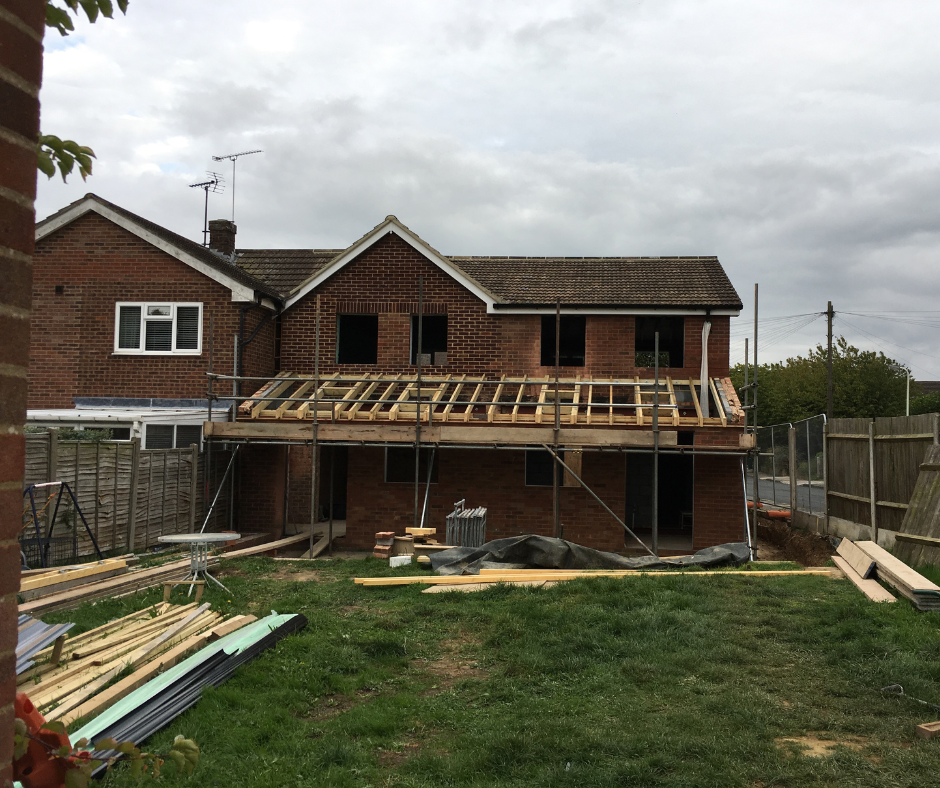
What is a Build Over Agreement?
Unsure what a build over agreement is? Our article will explain what a a build over agreement is and cover the information you’ll need to know if you need a build over agreement for your building work.
What is a Build Over Agreement?
A build over agreement is a formal authorization from your local water company to construct near or over a public sewer. Since sewers and drains were transferred into public ownership following changes in October 2011, water companies now have responsibilities to maintain access to public sewers. This agreement ensures the sewer’s integrity and the local water company’s ability to perform repairs or maintenance when necessary.
A build over agreement is an essential document that grants permission to construct over or near a public sewer, ensuring that the sewer remains accessible and protected during and after the building work. Here’s an in-depth look at what a build over agreement entails, when it’s needed, and the considerations involved.
When is a Build Over Agreement Required?
You typically need a build over agreement if your planned construction work:
- Is within 3 meters of a public sewer or 1.5 meters of an inspection chamber.
- Involves building directly over a sewer, which can risk structural damage to both the sewer and the new building.
- Involves a piling or basement foundation that could disrupt the sewer line.
Without this agreement, the water company could refuse retrospective approval, potentially requiring demolition of any building directly over the sewer to maintain sewer access.
How to Get a Build Over Agreement
1. Consult Your Local Water Company
- Start by contacting your local water company to see if your project requires an agreement. They’ll confirm if the sewer in question is public and advise on necessary steps.
2. Complete the Application Form
- The application process usually requires a completed application form and suitable drawings for the application. Drawings should include:
- Position of the sewer in relation to your proposed extension.
- Direction of flow of the sewer.
- Inspection chambers and any manhole that may need to be removed or replaced.
- New foundations in relation to the sewer pipe, especially if your design proposes to bridge over the pipe.
3. Submit a CCTV Survey
- A CCTV survey of the sewer may be required to demonstrate that the sewer is in good condition. This survey helps the water company assess any potential risk to the sewer.
4. Review and Approval
- Once your application is complete, including payment of the appropriate fee (typically around £300), the water company will review your plans, usually within three weeks. Missing application details can delay this timeline.
- If approved, the agreement will outline specific conditions to ensure the sewer is not compromised by the new build.
Important Considerations for a Build Over Agreement
Foundations and Structural Integrity
When building directly over a sewer, your new foundations need to be carefully designed. The water company may require new foundations with specialized support, such as bridging over the pipe, to protect the sewer’s structural integrity.
Access Requirements
The agreement ensures sufficient access to the sewer even after construction. If your project impedes direct access, the water company may need alternative access, which might mean using inspection points or inspection chambers designed to allow future sewer repairs without disturbing your building.
Indemnity Insurance
For homeowners who have already built over a sewer without obtaining prior permission, indemnity insurance can be considered as a potential solution. However, indemnity insurance is often costly and may not be a substitute for securing the proper build over agreement when required.
Drawings and Documentation
Detailed drawings of your house, drainage layout, and proposed construction in relation to the sewer are necessary to receive approval. The water company needs to see:
- The layout and dimensions of the proposed extension.
- A plan of the street showing the sewer and position of any inspection chambers.
- Relation to the road and neighbouring buildings.
Timescales and Costs for a Build Over Agreement
- Application Process: Typically processed withinthree weeks, though it may take longer if further information or clarification is needed.
- Costs: Fees vary by water company but are around £300, with additional costs for services like CCTV surveys.
What Happens if You Don’t Get a Build Over Agreement?
Constructing without the proper agreement can lead to serious consequences:
- Property Sale Issues: Without proof of a valid agreement, potential buyers or mortgage lenders may withdraw.
- Retrospective Approval: Retrospective agreements are available but may be more costly and complicated.
- Structural Issues: Building without suitable support for the sewer could lead to structural or drainage problems.
Key Points to Remember
- Building Control Approval: Working with building control ensures that the construction aligns with regulations and meets safety requirements.
- Inspection Chambers: If your plans require changes to inspection chambers or manholes, they must be documented and approved.
- Alternative Options: In some cases, it might be easier to adjust your building plans to avoid the sewer entirely, potentially saving time and costs.
Conclusion
Securing a build over agreement is crucial for any property owner planning construction near or over a public sewer. Following the proper application process and ensuring suitable drawings will streamline approval and protect both the sewer and the value of your property. If in doubt, contact the water company early to determine requirements, and consider consulting an architect or structural engineer for complex projects.
