

Concrete Carbonation Explained
This article will explain what concrete carbonation is and how it affects a concrete structure. Carbonation affects the durability of reinforced concrete through corrosion.
Concrete Carbonation Explained: Causes, Prevention, and Repair Solutions
Concrete carbonation is a naturally occurring process that can have significant implications for the durability of concrete structures. Understanding this process, its impact, and how to mitigate it is essential for anyone involved in construction, maintenance, or repair of concrete structures.
What is Concrete Carbonation?
Concrete carbonation is a chemical reaction that occurs when carbon dioxide (CO2) from the atmosphere penetrates the surface of the concrete and reacts with calcium hydroxide (Ca(OH)2) present in the cement matrix. This reaction forms calcium carbonate (CaCO3), which causes the pH of the concrete to drop from its natural highly alkaline state (around pH 12-13) to a less alkaline level (below pH 9).
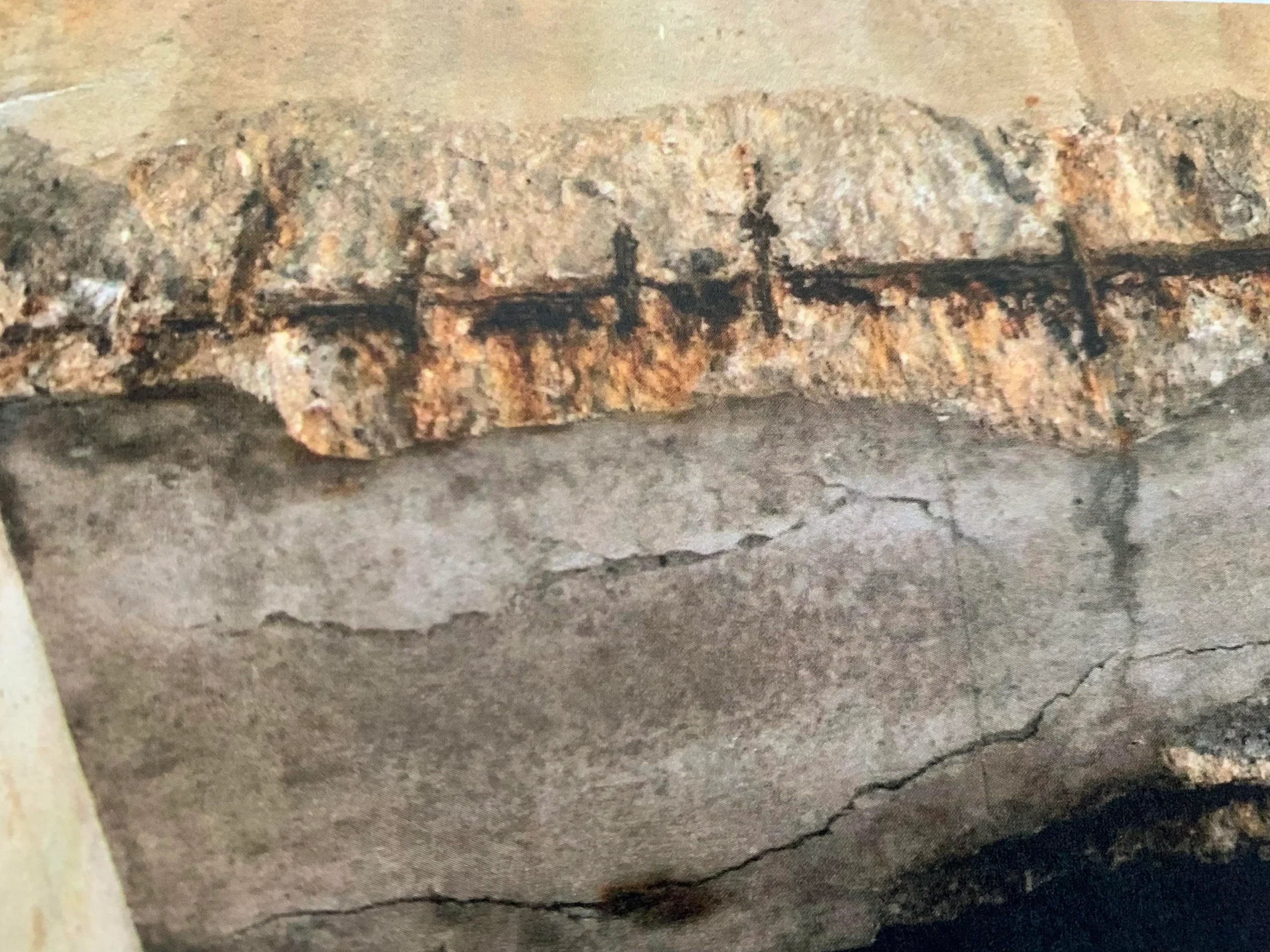
This reduction in pH compromises the protective oxide layer around the steel reinforcement bars within reinforced concrete, making them susceptible to corrosion. The carbonation process generally starts at the surface and gradually moves inward, a movement often referred to as the carbonation front.
The Concrete Carbonation Process
The carbonation of concrete typically occurs in the following steps:
- CO2 Penetration: Carbon dioxide from the atmosphere enters the porous structure of the concrete.
- Chemical Reaction: Once inside, CO2 reacts with the calcium hydroxide in the concrete to form calcium carbonate.
- pH Reduction: The formation of calcium carbonate lowers the concrete’s pH, reducing its alkalinity.
- Corrosion of Steel: As the pH drops, the protective oxide layer around the reinforcement bars (rebar) is destroyed, leading to the corrosion of the steel. This corrosion causes the steel to expand, leading to cracks and spalling in the concrete, which further accelerates deterioration.
Factors Influencing Concrete Carbonation
Several factors influence the rate and extent of carbonation:
- Porosity: More porous concrete allows greater penetration of CO2, accelerating carbonation.
- Cement Content: The type and amount of cement used affect the concrete’s resistance to carbonation.
- Environmental Conditions: High levels of CO2, humidity, and temperature can increase the rate of carbonation.
- Concrete Mix: A mix with lower cement content or inadequate curing can result in a higher carbonation rate.
The Effect of Carbonation on Concrete Structures
The effect of carbonation is most concerning for reinforced concrete structures. The loss of alkalinity due to carbonation leads to the corrosion of steel reinforcement, which can cause severe structural damage if not addressed promptly. Over time, carbonation can lead to a significant reduction in the durability and tensile strength of the concrete structure.
How to Prevent Concrete Carbonation
Preventing carbonation is critical to maintaining the integrity of concrete structures. Here are some effective strategies:
- Use High-Quality Concrete Mixes:
- A well-designed concrete mix with appropriate cement content and low water-to-cement ratio can reduce porosity, slowing the penetration of CO2.
- Proper Curing:
- Ensuring that concrete is properly cured will enhance its strength and reduce its permeability to carbon dioxide.
- Apply Protective Coatings:
- Protective coatings or sealants can be applied to the concrete surface to block CO2 ingress and protect against carbonation.
- Increase Concrete Cover:
- Increasing the thickness of the concrete cover over the rebar can delay the onset of carbonation, as it takes longer for the carbonation front to reach the steel.
- Use Supplementary Cementitious Materials:
- Adding materials like fly ash or slag can increase the density of concrete, reducing the rate of carbonation.
Repair Solutions for Carbonated Concrete
If concrete carbonation has already taken place, repair measures must be implemented to restore the structure’s integrity. Common repair methods include:
- Carbonation Testing:
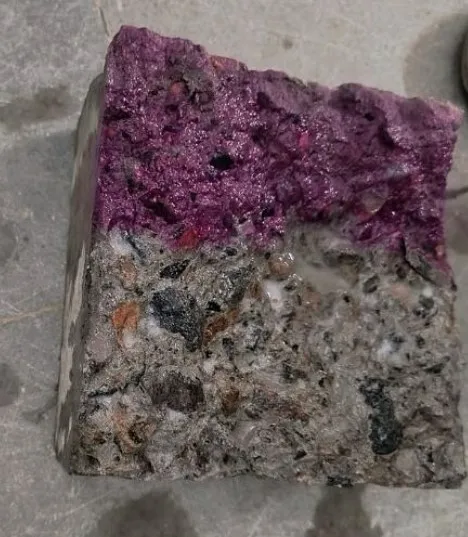
- Before repair, it is crucial to assess the depth of carbonation using phenolphthalein solution, which indicates areas of low pH by changing colour.
- Concrete Removal and Replacement:
- Affected areas should be removed, and the concrete should be replaced with a mix that offers better resistance to carbonation. The corroded rebar should be cleaned and treated to prevent further corrosion.
- Cathodic Protection:
- This technique involves applying a small electrical charge to the rebar, counteracting the electrochemical process that causes corrosion.
- Anti-Carbonation Coatings:
- After repair, applying an anti-carbonation coating to the surface of the concrete can prevent further CO2 ingress.
- Reinforced Concrete Beam Strengthening:
- In cases of severe damage, reinforced concrete beams may need to be strengthened or replaced to ensure structural integrity.
How to Prevent Concrete Carbonation
Preventing carbonation is critical to maintaining the integrity of concrete structures. Here are some effective strategies:
- Use High-Quality Concrete Mixes:
- A well-designed concrete mix with appropriate cement content and low water-to-cement ratio can reduce porosity, slowing the penetration of CO2.
- Proper Curing:
- Ensuring that concrete is properly cured will enhance its strength and reduce its permeability to carbon dioxide.
- Apply Protective Coatings:
- Protective coatings or sealants can be applied to the concrete surface to block CO2 ingress and protect against carbonation.
- Increase Concrete Cover:
- Increasing the thickness of the concrete cover over the rebar can delay the onset of carbonation, as it takes longer for the carbonation front to reach the steel.
- Use Supplementary Cementitious Materials:
- Adding materials like fly ash or slag can increase the density of concrete, reducing the rate of carbonation.
Repair Solutions for Carbonated Concrete
If concrete carbonation has already taken place, repair measures must be implemented to restore the structure’s integrity. Common repair methods include:
- Carbonation Testing:
- Before repair, it is crucial to assess the depth of carbonation using phenolphthalein solution, which indicates areas of low pH by changing colour.
- Concrete Removal and Replacement:
- Affected areas should be removed, and the concrete should be replaced with a mix that offers better resistance to carbonation. The corroded rebar should be cleaned and treated to prevent further corrosion.
- Cathodic Protection:
- This technique involves applying a small electrical charge to the rebar, counteracting the electrochemical process that causes corrosion.
- Anti-Carbonation Coatings:
- After repair, applying an anti-carbonation coating to the surface of the concrete can prevent further CO2 ingress.
- Reinforced Concrete Beam Strengthening:
- In cases of severe damage, reinforced concrete beams may need to be strengthened or replaced to ensure structural integrity.
Conclusion
Concrete carbonation is a common issue in concrete structures, particularly in environments with high levels of carbon dioxide. Understanding the carbonation process and its effects is crucial for preventing structural damage. By implementing proper construction practices, such as using high-quality materials, ensuring adequate curing, and applying protective coatings, the risk of carbonation can be significantly reduced. For structures already affected by carbonation, timely repairs are essential to restore the concrete’s strength and durability. Regular inspection and maintenance play a vital role in extending the lifespan of concrete structures and preventing costly repairs down the line.
