

What Is A Damp Proof Course? DPC Explained
Damp proof courses (DPC) are an important element of construction which prevent rising damp. A damp proof membrane (DPM) is laid between the substructure and superstructure brickwork which prevents the upward movement of moisture through walls and floors.
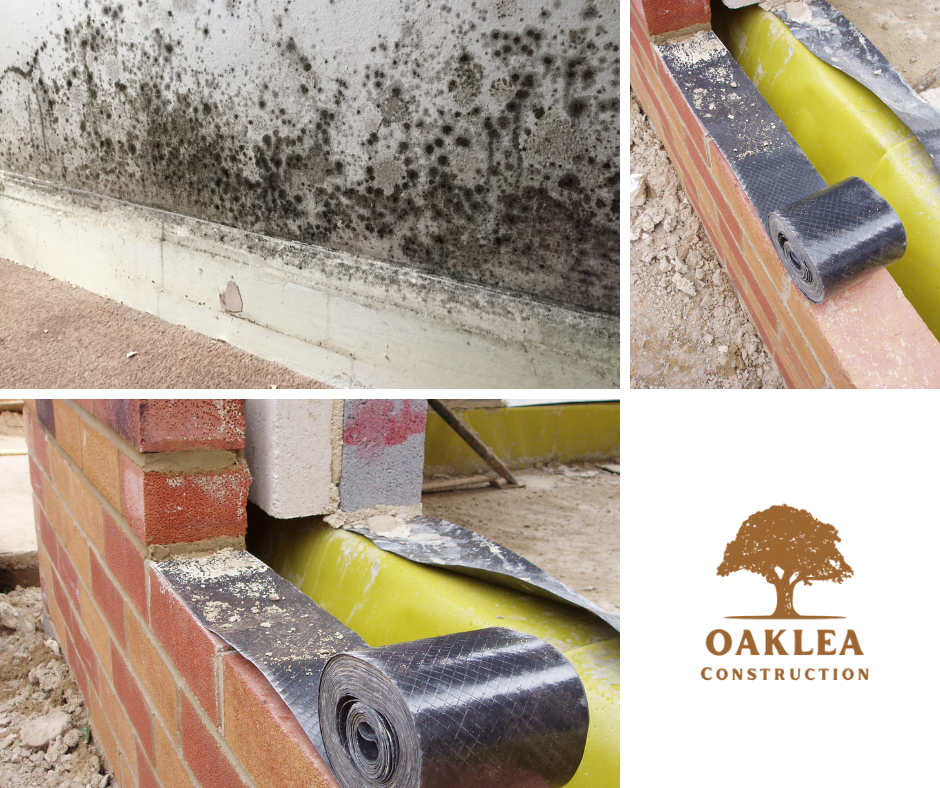
What Is a Damp Proof Course? DPC and DPM Explained
A Damp Proof Course (DPC) is an integral part of building construction, designed to prevent moisture from the ground from rising through the walls of a property. This layer, often invisible but crucial to the long-term durability and comfort of a building, stops rising damp—a common problem in homes and structures, particularly older buildings. In this article, we’ll explore what a DPC is, the materials typically used, why it’s so important, and the consequences of an insufficient or defective DPC.
What Is a Damp Proof Course (DPC)?
A DPC is a barrier built into the walls of a structure, typically at ground level or just above it, to prevent moisture from rising into the building. Its primary function is to prevent moisture from being drawn up through the walls via capillary action, which is the process where water travels through porous materials like brick and mortar. The DPC essentially forms a break that prevents moisture from rising beyond a certain point.
In modern construction, a DPC is required by building regulations and is typically installed in both new builds and extensions. Damp proofing is a key aspect of ensuring the longevity and structural integrity of a building, as the absence or failure of a damp-proof course can lead to serious problems such as rising damp, mould, and structural damage.
Why Are DPC and DPM Used?
The Damp Proof Course is vital for several reasons:
- Preventing Moisture Ingress: The main purpose of a DPC is to prevent moisture from the ground entering the walls of a property. Rising damp, when left unchecked, can cause structural damage and harm to building materials such as brick, wood, and cement mortar.
- Avoiding Health Issues: Persistent damp in walls can lead to the growth of mould, which poses a significant health risk to occupants. Proper damp-proofing ensures a safe and healthy living environment.
- Preventing Aesthetic Damage: Moisture that rises up walls can cause brickwork to deteriorate and create unsightly stains and peeling on internal walls. A functioning DPC will help preserve both the structural integrity and the appearance of a building.
- Legal and Regulatory Requirements: In many countries, including the UK, a damp-proof course is a regulatory requirement in the construction of new buildings. Ensuring compliance with local building codes not only prevents future issues but also ensures the property’s value remains intact.
Types Of Damp Proof Course
Modern DPCs are made from various materials, each chosen based on the specific needs of the project. Common materials include:
- Plastic Membranes (DPMs): Modern DPCs often use damp-proof membranes (DPMs) made from high-density polyethylene (HDPE). These membranes are laid within the walls and floors to block moisture from traveling upward. A damp-proof membrane is usually installed in conjunction with other moisture-prevention systems to ensure complete protection.
- Bitumen: Bitumen-based materials are frequently used as a barrier in DPCs. This sticky, tar-like substance is applied as a layer between building materials to prevent moisture from moving upward.
- Lead and Slate: Historically, lead and slate were common DPC materials, and they are still occasionally used in older buildings or heritage structures. These materials offer excellent resistance to moisture, though they are less common in modern construction due to their cost and environmental concerns.
- Chemical DPCs: In cases where a traditional damp-proof course cannot be installed, a chemical DPC may be used. This involves injecting a damp-proofing chemical into the walls, which penetrates the mortar and forms a barrier against moisture.
- Cavity Wall Construction: In modern buildings with cavity walls, a cavity tray acts as a DPC, preventing water from seeping into the interior from the external wall. This is an effective system, especially when combined with a damp-proof membrane.
What Happens If a DPC Is Insufficient?
An insufficient or faulty DPC can lead to a range of problems, such as:
- Rising Damp: Without an effective DPC, moisture from the ground can rise into the walls of the property, leading to damp problems like staining, decay, and even structural damage. This process, known as rising damp, can seriously compromise the building.
- Structural Issues: Moisture can cause damp-proof membranes to degrade over time, which in turn may lead to the movement of moisture into areas of the wall that were previously protected. This can result in weakening of the building materials and cause significant structural damage if not addressed.
- Health Risks: The presence of damp in a property can lead to the development of mould, which can cause respiratory problems for occupants. Preventing damp rising through the installation of a DPC protects both the building and its inhabitants.
- Costly Repairs: If a DPC is found to be ineffective, it can lead to costly repairs. Inserting a damp-proof course after a property is built can be invasive and expensive, requiring parts of the walls to be drilled into to install a new chemical DPC or to correct the problem.
Key Considerations for a Damp Proof Course
When installing or maintaining a DPC, several factors should be considered:
- Proper Installation: A DPC should be installed at least 150mm above the external ground level to ensure that it effectively blocks moisture from rising. In cases of cavity walls, it’s essential to install the DPC in the correct position relative to the cavity tray and other damp-proofing elements.
- DPC Materials: Choosing the right DPC material is critical. DPMs, bitumen, and chemical DPCs are all suitable depending on the construction type and the specific moisture issues.
- Maintenance and Inspection: Even after a damp-proof course is installed, regular inspections are crucial. Over time, moisture from the ground can compromise the DPC, and any signs of damp should be addressed quickly.
- Retrofitting DPCs: If a property lacks an effective damp proof course, it may be necessary to retrofit one. Chemical damp proof courses are commonly used in such cases and can be injected into the wall without major disruption.
Conclusion
A Damp Proof Course (DPC) is essential in modern and historical building construction to prevent moisture from rising through the walls and causing significant damage. Whether you’re dealing with an older property that requires a new DPC or ensuring the proper installation in a new build, the importance of damp proofing cannot be overstated. From plastic membranes to bitumen, the right choice of materials and methods will protect your building and prevent the movement of moisture that can lead to structural damage and health concerns. Always consult with a professional to ensure your DPC is properly installed and maintained for peace of mind.
