
Toolbox Talk Topics – A Guide to Safety Talks and Hazards
Toolbox talks are a common requirement on building sites throughout the UK. It is important that a site team has a variety of toolbox talk topics to raise in a site safety meeting. This article will provide you with a number of safety topics and why they are important so that you can raise them at your next safety meeting to improve workplace safety.
Toolbox Talk Topics For Your Next Safety Meeting
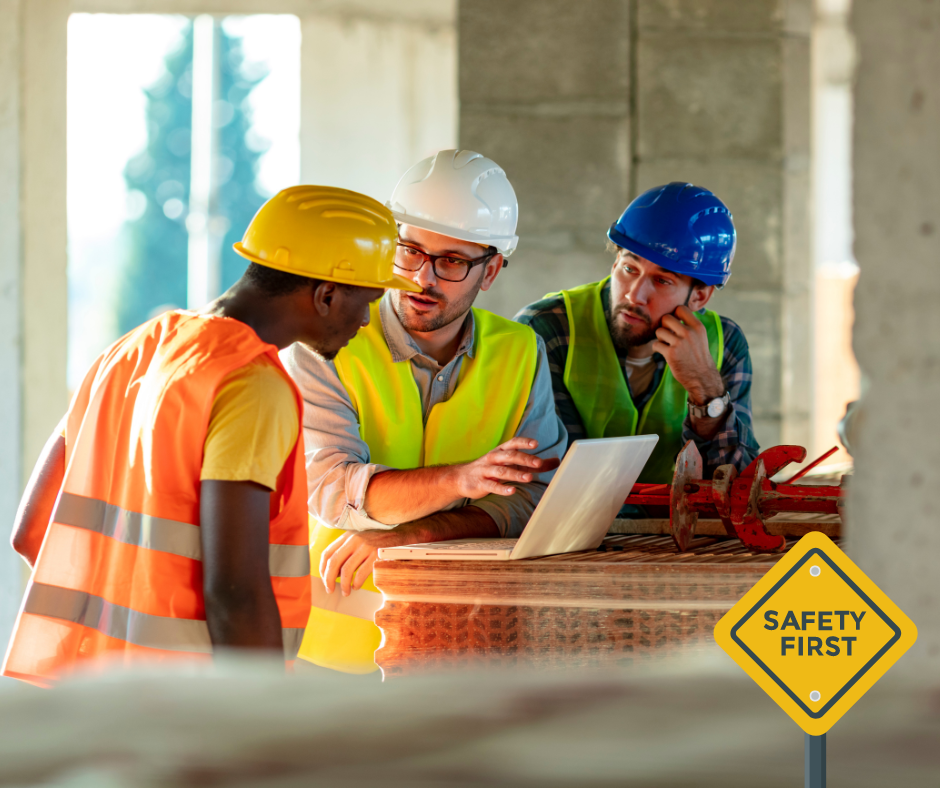
Toolbox talks are brief, focused safety meetings held to discuss specific hazards on the job site, promote workplace safety, and reinforce proper safety procedures. Also known as safety toolbox talks, they serve as critical reminders to employees about the potential hazards they may encounter and the measures they should take to work safely. Conducting regular toolbox talks can help build a strong safety culture and reduce the risk of accidents and injuries. Below is a list of essential toolbox talk topics, why they’re important, and key takeaways for each.
Toolbox Talk Topics
Whilst each toolbox talk should be relevant to the site and hazards that are presented with carrying out the necessary work, listed below are some toolbox talk topics, why each of them is important, key takeaways and a toolbox tip.
1. Personal Protective Equipment (PPE)
Why It’s Important:
Personal protective equipment (PPE) is essential for protecting workers from potential hazards on a construction site. PPE includes items like helmets, gloves, safety glasses, and hearing protection, designed to shield workers from physical, chemical, and environmental hazards.
Key Takeaways:
- Wear appropriate PPE for each task.
- Inspect PPE before use for any damage.
- Ensure PPE is properly fitted and used consistently.
Toolbox Tip:
Remind your team that PPE is a last line of defence. Engineering controls and safe work practices should always be implemented first.
2. Slips, Trips, and Falls
Why It’s Important:
Slips, trips, and falls are among the leading causes of injuries on construction sites. Poor housekeeping, uneven surfaces, and wet floors all contribute to these accidents.
Key Takeaways:
- Keep walkways clear and dry.
- Use proper fall protection equipment when working at heights.
- Mark uneven surfaces and hazardous areas with signage.
Toolbox Tip:
Discuss this topic during your next safety meeting to reinforce how proper housekeeping and hazard awareness can prevent these common injuries.
3. Electrical Safety
Why It’s Important:
Electrical safety is critical in preventing injuries from electrocution, burns, and fires. Construction workers may be exposed to live wires, faulty equipment, or power line hazards, making electrical safety protocols vital.
Key Takeaways:
- Only qualified personnel should handle electrical work.
- De-energise circuits before starting work, using lockout/tagout procedures.
- Regularly inspect electrical equipment for damage.
Toolbox Tip:
Hold a safety toolbox talk on electrical safety to emphasise the importance of proper handling and maintenance of electrical equipment on the job site.
4. Fire Safety and Extinguishers
Why It’s Important:
Construction sites often house flammable materials and work that involves heat sources, making fire safety a crucial topic. Understanding how to use a fire extinguisher and knowing the location of emergency exits can save lives.
Key Takeaways:
- Know the different types of fire extinguishers and how to use them.
- Ensure all exits and evacuation routes are clear.
- Conduct regular fire drills to keep workers prepared.
Toolbox Tip:
Remind your team to check for hazards associated with fire risks and emphasise best practices for using fire extinguishers.
5. Working at Heights and Fall Protection
Why It’s Important:
Working at heights is inherently dangerous, and falls are a leading cause of fatalities in the construction industry. Proper fall protection measures are vital to ensuring worker safety.
Key Takeaways:
- Use appropriate fall protection systems, such as harnesses and guardrails.
- Inspect fall protection equipment regularly.
- Ensure that scaffolding and ladders are stable and secured before use.
Toolbox Tip:
Promote safety by discussing fall protection during toolbox talks and highlighting the need to work safely when at elevated heights.
6. Manual Handling and Lifting
Why It’s Important:
Improper lifting techniques can lead to back injuries and musculoskeletal disorders. Safety practices around manual handling can reduce the risk of injury.
Key Takeaways:
- Lift with your legs, not your back, and keep the load close to your body.
- Use mechanical aids like forklifts when necessary.
- Get help if the load is too heavy to handle alone.
Toolbox Tip:
Use this toolbox talk meeting to remind workers of the correct techniques for handling heavy materials to prevent injury.
7. Hazardous Substances and Asbestos Awareness
Why It’s Important:
Many construction sites involve the use of hazardous substances, including asbestos and chemicals, which can be dangerous if not handled properly. OSHA regulations provide guidelines for the safe handling of these materials.
Key Takeaways:
- Identify and mitigate hazards from hazardous substances such as asbestos.
- Use appropriate PPE when handling hazardous chemicals.
- Follow proper disposal methods for hazardous waste.
Toolbox Tip:
Hold a safety toolbox talk on hazardous substances to ensure everyone knows the risks and safety procedures.
8. Gas Safety
Why It’s Important:
Leaks from gas lines or equipment can lead to explosions, fires, and toxic exposure, posing severe risks to workers.
Key Takeaways:
- Regularly inspect gas lines and equipment for leaks or damage.
- Ensure proper ventilation when working with gas-powered equipment.
- Know the procedures for dealing with gas leaks and emergency evacuations.
Toolbox Tip:
Include gas safety in your next safety meeting to remind workers of the dangers and precautions needed when dealing with gas on-site.
9. First Aid and Emergency Preparedness
Why It’s Important:
Accidents can happen, even in the safest environments, and quick access to first aid can make a difference. Being prepared for emergencies helps ensure a timely and effective response.
Key Takeaways:
- Know the location of first aid kits and who the designated first aid responders are.
- Ensure that workers are trained to provide basic first aid.
- Have an emergency response plan in place for fires, gas leaks, or other hazards.
Toolbox Tip:
Emphasise the importance of being prepared for emergencies during toolbox talks and encourage workers to review first aid procedures regularly.
10. Silica Dust Hazards
Why It’s Important:
Exposure to silica dust, common in construction work, can lead to lung disease, including silicosis and cancer. Workers may be exposed to silica during cutting, grinding, or drilling concrete, brick, or stone.
Key Takeaways:
- Use water or ventilation systems to control silica dust.
- Wear respiratory protection to prevent inhaling harmful dust.
- Monitor air quality on the worksite to keep dust levels within safe limits.
Toolbox Tip:
Discuss silica safety in your next toolbox talk to ensure workers are aware of the risks and necessary precautions.
Conclusion
Regular toolbox talks are a key part of creating a culture of safety on any construction site. By addressing a wide variety of safety topics such as electrical safety, fire safety, and working at heights, employers can help employees stay aware of the hazards present in their daily tasks and reduce the risk of accidents.
Encourage your team to participate in safety toolbox talks and use these discussions to reinforce best practices. These meetings are a great opportunity to review safety procedures, identify hazards, and work safely together to ensure that every worker makes it home safely.
By keeping safety front and centre in daily operations, employers and employees can work together to create a safer, more productive work environment.
