

5 Sustainable Building Solutions to Promote Green Building
Discover 5 innovative sustainable building solutions that promote green building practices, reduce energy consumption, and lower emissions for a brighter future.
5 Sustainable Building Solutions to Promote Green Building
The push for sustainable building solutions has become integral to the UK’s construction sector, aligning with both environmental goals and the demand for energy efficiency in homes and businesses. Green building practices in the built environment aim to reduce energy consumption, lower emissions, and improve indoor air quality. Here are five sustainable building solutions that not only enhance energy performance but also contribute to a greener future for the construction industry.
1. Solar Panels and Renewable Energy Sources
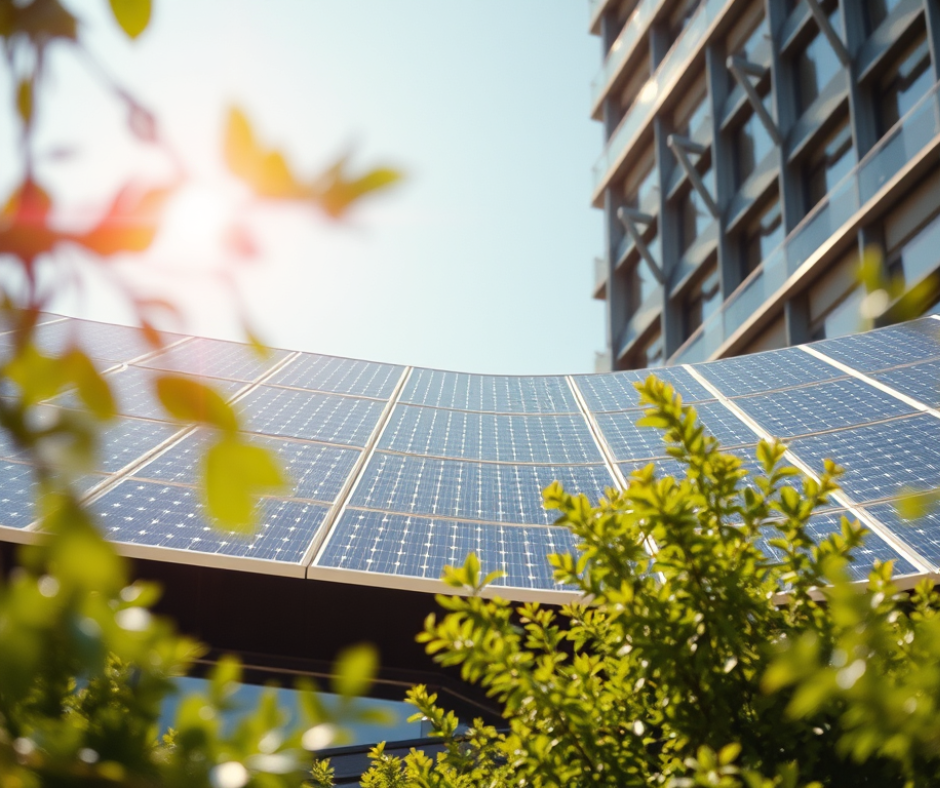
Using renewable energy sources like solar panels can dramatically reduce a building’s carbon footprint. Solar panels offer a cost-effective way to harness sustainable energy by generating electricity onsite, leading to reduced carbon emissions and significant energy savings.
- Benefits: Solar energy use can lower energy costs, cut down on carbon emissions, and reduce reliance on the grid. The energy generated is often used to power HVAC systems, lighting, and other energy-efficient systems.
- Renewable Integration: Integrating renewable energy sources, such as solar panel systems or wind turbines, into building design practices can enhance energy efficiency and offset the building’s energy consumption.
- Smart Solar Tech: With building automation systems, real-time monitoring allows building managers to track and optimize energy usage effectively.
2. Green Roofs and Natural Insulation
Green roofs are an eco-friendly solution that helps regulate indoor temperatures and provides insulation, reducing energy needs for heating and cooling. These roofs improve air quality, promote biodiversity, and help with stormwater management, all while making efficient use of natural resources.
- Benefits: Green roofs reduce energy usage, lower urban temperatures, and provide insulation that helps control indoor air quality.
- Insulation Materials: Many green building projects incorporate natural insulation, such as recycled denim, wool, or cellulose, which is not only energy-efficient but also environmentally friendly.
- Enhanced Energy Efficiency: Improved insulation lowers heating and cooling demands, optimizing energy consumption and enhancing comfort levels within the building envelope.
3. Sustainable Building Materials and Green Building Design
Sustainable building materials play a crucial role in green building. Materials like bamboo, reclaimed wood, and recycled steel have a much lower environmental impact than traditional building supplies, helping reduce overall resource use and emissions.
- Reclaimed Wood and Steel: Reclaimed wood is durable, adds aesthetic value, and requires minimal processing, reducing emissions. Recycled steel, on the other hand, is widely used in construction due to its high strength-to-weight ratio.
- Eco-Friendly Cement Alternatives: Cement production is a significant source of CO₂ emissions. By using eco-friendly alternatives, builders can reduce greenhouse gas emissions significantly.
- Construction Waste Management: Sustainable building materials often come from recycled or repurposed materials, reducing construction waste and promoting a circular economy.
4. Energy-Efficient HVAC Systems and Smart Technology
A smart building integrates energy-efficient HVAC systems to optimize energy consumption and enhance indoor air quality. These systems, often equipped with sensors and automation, adjust based on occupancy and weather conditions to ensure that the building uses only the necessary energy.
- Benefits: Smart HVAC systems with sensors reduce unnecessary energy usage, maintain optimal indoor temperatures, and create comfortable environments while lowering energy costs.
- Building Automation: Smart building automation systems also monitor and control lighting, appliances, and even HVAC settings based on real-time data, providing energy-efficient solutions.
- Energy Optimization: By tracking energy usage and adjusting based on occupancy, smart technology can contribute to lower energy consumption and reduced carbon emissions.
5. Passive Solar Design and Improved Building Envelope
Passive solar design maximizes the use of natural sunlight, reducing the need for artificial heating and lighting. This approach, combined with an energy-efficient building envelope, keeps indoor temperatures stable, lowers HVAC demands, and uses less energy overall.
- Thermal Mass and Window Placement: Passive solar design strategically positions windows and uses thermal mass materials that absorb and release heat, optimizing indoor temperature and reducing energy requirements.
- Sealing and Insulation: A well-sealed building envelope minimizes heat loss and improves insulation, making the building energy-efficient and reducing the need for excess heating or cooling.
- Environmental Impact: This sustainable practice enhances energy efficiency while lowering the building’s carbon footprint, promoting sustainability in the built environment.
Conclusion
By embracing green building practices, the construction industry can contribute to a sustainable future with eco-friendly and energy-efficient building solutions. From renewable energy sources to smart building technology, these innovations are transforming the built environment, offering significant energy savings, and reducing emissions. As more building owners and construction companies adopt sustainable building materials and practices, the industry will play an important role in creating a greener future.
