

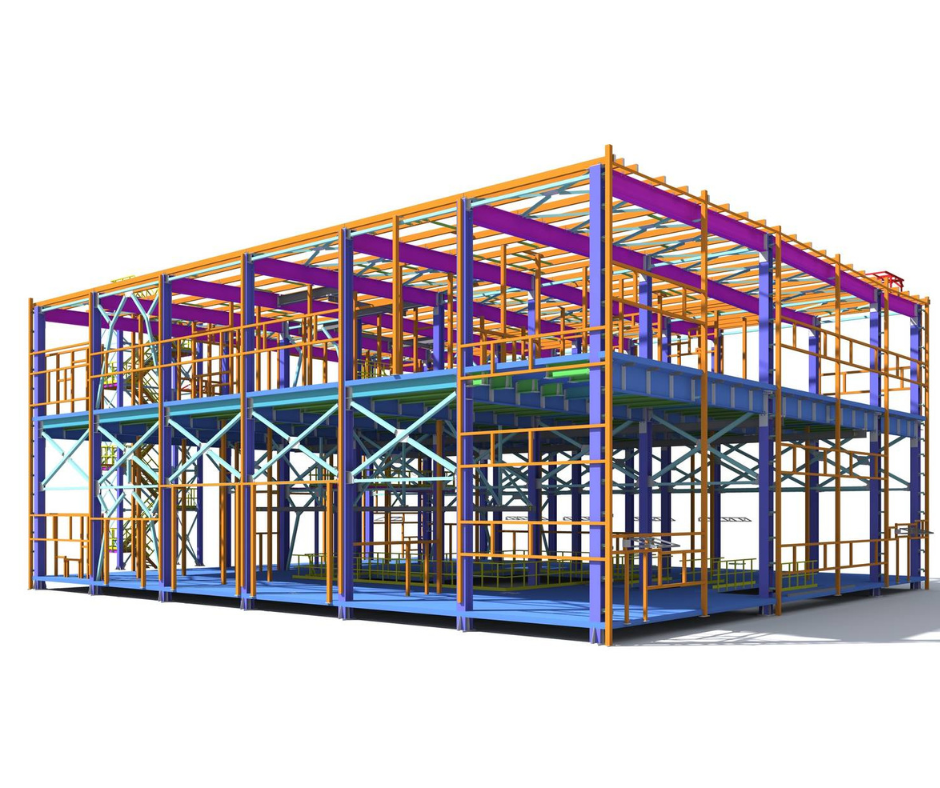
What is BIM in the Construction Industry – Building Information Modelling
Discover how BIM, or Building Information Modelling, revolutionises the construction industry with 3D digital representations, enhancing construction management and collaboration.
How BIM is Impacting the Construction Industry
Building Information Modelling (BIM) is transforming the construction industry with its innovative approach to creating, managing, and sharing project data in 3D digital formats. By using BIM software, the AEC (Architecture, Engineering, and Construction) industry now has access to a unified, data-driven process that supports every stage of construction, from design and planning to on-site execution and post-construction management. Let’s explore the core elements of BIM, its advantages, and how this technology streamlines construction management, enhances collaboration, and provides long-term benefits.
What is Building Information Modelling (BIM)?
BIM stands for Building Information Modelling, a digital process that enables construction teams to create comprehensive 3D models of a building or structure. It encompasses every aspect of the building’s lifecycle, allowing architects, engineers, contractors, and stakeholders to share a common data environment (CDE) where they can access real-time project data and make decisions based on accurate information. BIM technology creates a digital representation of the building, embedding specifications, materials, and structural elements for better coordination.
Levels of BIM: BIM is often categorised into levels, with Level 2 BIM as the industry standard in the UK. Level 2 BIM ensures that project information is organised in collaborative environments, allowing different teams to contribute to a single, cohesive information model. At Level 2, architects and contractors can work on distinct yet synchronised models, while data is shared through a CDE.
Key Components and Functions of BIM
- 3D Modelling: The foundation of BIM lies in its 3D models, which allow for detailed, realistic visuals and help in visualising complex construction designs. In contrast to traditional 2D drawings, 3D modelling within BIM incorporates geometry, materials, and spatial relationships. BIM models, also known as BIM objects, can contain detailed specifications that make design communication seamless for all parties involved.
- Clash Detection: One of the primary benefits of BIM is clash detection, which identifies conflicts, or clashes, between different building elements before construction starts. For instance, a clash might reveal a pipe passing through a structural beam, allowing contractors to address the issue in the planning phase rather than during on-site work. This reduces rework and potential delays, saving both time and costs.
- Project Management and Scheduling: BIM models can integrate time-based data for scheduling purposes, known as 4D BIM. This capability allows project managers to visualise and sequence each phase of the construction process in real time. In doing so, the BIM process helps streamline the workflow and prevent delays by organising construction activities and resource allocation in advance.
- Cost Estimation: BIM’s 5D dimension includes cost estimations, where material and labour estimates are derived from the model. This information can be used by contractors and stakeholders to generate accurate cost assessments, track expenses, and manage budgets throughout the lifecycle of the project. The information model also makes it easier to plan for potential rework and risk management.
- Enhanced Collaboration: BIM’s collaborative environment provides a central hub for team members to access and share data, making information exchange simple and reliable. Architects, engineers, and contractors can use BIM to work together on complex, large-scale projects, ensuring every stakeholder is aligned and that information is updated in real time.
How BIM Transforms the Construction Phase
During the construction stage, BIM facilitates streamlined construction management by maintaining updated and accessible data. Design and construction teams rely on the BIM model to synchronise schedules, track progress, and coordinate tasks more efficiently than with traditional methods. The common data environment (CDE) ensures that all project-related data is available in one place, reducing the risk of data silos and streamlining the overall construction process.
For example, contractors can use BIM software to reference the digital representation of the building during on-site tasks, ensuring precise alignment with the project design and reducing errors. The use of BIM for construction sites minimises rework by keeping every team informed and involved in the construction process.
Advantages of BIM Post-Construction
Once a construction project is completed, the benefits of BIM extend into long-term asset management and lifecycle management. The BIM model serves as a comprehensive record, detailing materials, structural components, and maintenance schedules that building owners and facility managers can reference for years. This record simplifies maintenance, retrofitting, and renovations, making BIM a valuable tool for sustainability and cost-efficiency.
Key Benefits Post-Construction:
- Facility Maintenance: The BIM model contains specifications and materials used in the building, assisting facilities managers in timely repairs and replacements.
- Future Renovations: Accurate BIM data provides a blueprint for expansions or changes, making renovations smoother by detailing structural components and potential risks.
- Enhanced Sustainability: BIM supports sustainable building practices by tracking energy-efficient materials and systems, reducing the building’s environmental impact over time.
How to Implement BIM in Your Projects
If you’re considering using BIM in your next construction project, here are some steps to get started:
- Choose the Right BIM Software: There are various BIM software platforms available, including Autodesk Revit, ArchiCAD, and Bentley Systems. Select software that fits the scale and complexity of your project.
- Train Your Team: BIM requires a skilled team to manage and operate its technology. Providing training on BIM process tools and workflows is crucial to maximising its benefits.
- Set Up a Common Data Environment: Establish a CDE to store, manage, and share information throughout the project. This collaborative hub ensures every team member is informed and aligned with project updates.
- Collaborate with Stakeholders: Involve all relevant stakeholders, from architects and contractors to clients, in the BIM model from the start, encouraging collaboration and alignment on design, cost, and timeline goals.
- Implement Quality Control and Maintenance Protocols: After construction, use the BIM model to manage maintenance, repairs, and even demolition when necessary, ensuring the building’s longevity and value.
Final Thoughts
Building Information Modelling is far more than just a digital tool; it represents a comprehensive building information model approach that improves collaboration and communication and enhances risk management. By creating a detailed 3D model that integrates time, cost, and resource data, BIM provides a collaborative environment that supports every stage of the construction process. As technology advances, the AEC industry will continue to see BIM’s value in optimising workflow, enhancing design phase precision, and building a sustainable future for the built environment. Embracing BIM means investing in a future of smart, efficient, and sustainable building practices.
