

Tape and Joint vs Skim – Which gives the best finish?
Trying to decide between tape and joint or plaster skim for your drywall finish? Get insight on the best finish for your project with expert advice.
Tape and Joint Plasterboard vs Plaster Skim: Which is Better for Your Construction Project?
When it comes to finishing drywall in construction, two popular methods are often debated, tape and joint and plaster skimming. Each technique has its own set of advantages and is suited to different applications and their use depend on the project requirements. In this article, we’ll provide a detailed analysis of both methods to help you decide which is better for your construction needs. For those who don’t want to waste any time, we have provided a short summary below demonstrating the key factors to each option.
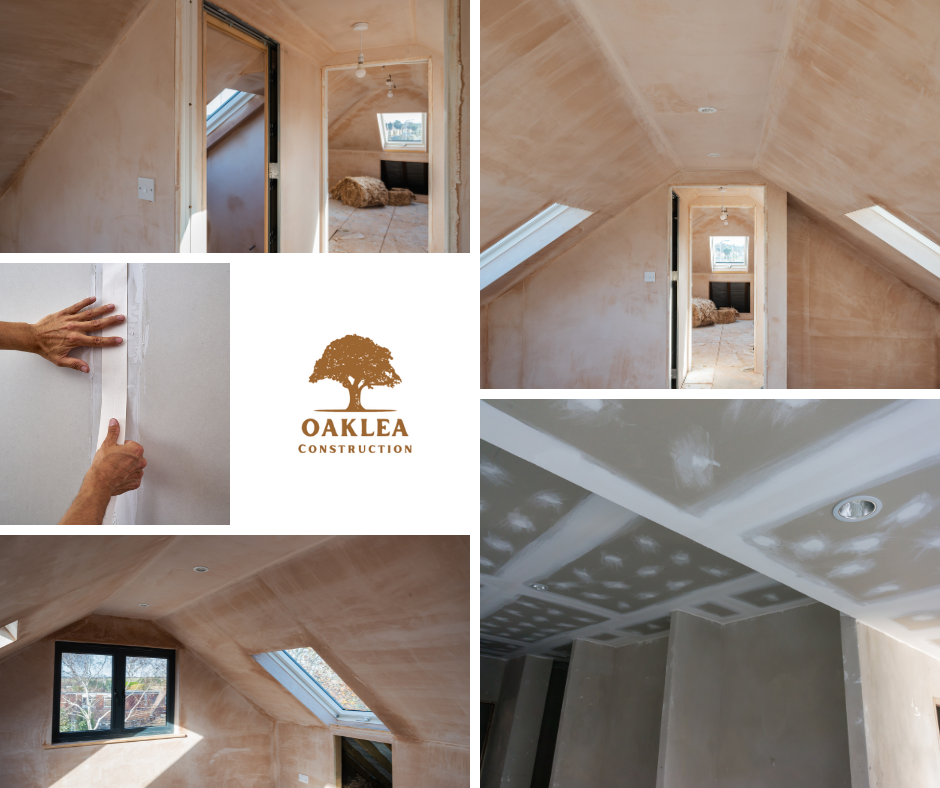
Summary
- Tape and Joint: Cost-effective, faster to apply, suitable for large areas, but less durable and smooth.
- Plaster Skimming: Superior finish, more durable, ideal for residential projects, but more expensive and time-consuming.
By understanding the strengths and limitations of each method, you can choose the right approach for your specific needs. Whether you opt for tape and joint or plaster skimming, getting a competent tradesmen is imperative to ensures a professional result every time. Personally I would always look to skim walls for my own projects as it provides a greater finish, however, given that it is much quicker and cheaper to use tape and joint, it is understandable that large housebuilders use this technique.
Introduction
The final finish of walls and ceilings plays a crucial role in the overall aesthetics and durability of a building. The two main techniques used for drywall finishing are tape and jointing and plaster skimming. Understanding the differences between these methods, their advantages, and their ideal applications can help you make an informed decision for your construction project.
Tape and Joint
What is Tape and Joint?
Tape and jointing is a drywall finishing technique that involves applying joint tape to the seams between drywall sheets and covering it with joint compound. This process is repeated multiple times to achieve a smooth surface. The main goal is to conceal the board joints and any screws used to fix the drywall in place.
Advantages of Tape and Joint
- Cost-Effective: Tape and jointing is generally less expensive than a plaster skim coat due to lower material and labour costs.
- Faster Application: The process is quicker, especially for large residential or commercial projects where time is a crucial factor.
- Suitable for Large Areas: Ideal for large, flat surfaces, making it a preferred choice for commercial buildings and offices.
- Drying Time: Joint compounds used in this method typically have a faster drying time, allowing for quicker progression to painting and decorating stages while achieving a good finish. This is why we commonly see large homebuilders using this technique.
Disadvantages of Tape and Joint
- Durability: Tape and jointing may not be as durable as plaster skimming, particularly in high-traffic areas where walls are more prone to damage. Often, tape joints will become apparent if the wall is susceptible to impact over time.
- Skill Requirement: Achieving a perfect finish requires skilled labour, as improper application can lead to visible seams and an uneven surface.
- Surface Texture: The final surface may not be as smooth as plaster skimming, which can affect the quality of the paint finish.
Plaster Skimming
What is Plaster Skimming?
Plaster skimming involves applying a thin coat of plaster over the entire surface of the drywall. This method creates a smooth, seamless finish that can be painted or wallpapered once dry.
Advantages of Plaster Skimming
- Superior Finish: Skimming provides a high-quality, smooth finish that is ideal for residential applications where aesthetics are important.
- Durability: The plaster layer adds durability to the walls, making them more resistant to knocks and dents.
- Versatility: Suitable for both new constructions and renovations, offering flexibility in various types of projects. If your project involves curved walls, it is much simpler to skim.
- Soundproofing and Insulation: Plaster can enhance the acoustic properties and thermal insulation of walls.
Disadvantages of Plaster Skimming
- Cost: Skimming is typically more expensive due to higher material costs and the need for skilled plasterers.
- Time-Consuming: The process takes longer, including drying time, which can delay subsequent stages of construction.
- Complexity: Requires a high level of expertise to achieve the desired smooth finish, and any mistakes can be difficult to correct.
Detailed Analysis: Tape and Joint vs Skim
Application and Suitability
- Commercial Projects: Tape and jointing is often favoured in commercial projects due to its cost-effectiveness and quicker application. Large, flat surfaces such as office walls and ceilings benefit from this method.
- Residential Projects: Plaster skimming is preferred in residential projects where the quality of the finish is paramount. It is particularly suitable for living spaces, kitchens, and bathrooms where a smooth, durable surface is desirable.
Cost Comparison
- Tape and Joint: Generally more budget-friendly, with savings on both materials and labour. It is an attractive option for projects with tight budgets or large areas to cover.
- Plaster Skimming: Higher initial costs but can add value to the property through improved aesthetics and durability. The long-term benefits often justify the investment.
Aesthetic Considerations
- Tape and Joint: While it can produce a satisfactory finish, it may not achieve the same level of smoothness as plaster skimming. This method can be sufficient for functional spaces where aesthetics are less critical.
- Plaster Skimming: Offers a superior, flawless finish that enhances the overall appearance of the walls. Ideal for spaces where visual appeal is important.
Durability and Maintenance
- Tape and Joint: May require more frequent maintenance and repairs, especially in high-traffic areas. Susceptible to cracking and visible seams over time.
- Plaster Skimming: More robust and resistant to damage. The smooth surface is easier to clean and maintain, making it a durable option for long-term use. Scrim tape is often used to minimise the chances of plaster cracking.
Conclusion
Both tape and joint and plaster skimming have their merits and are suited to different types of construction projects. For commercial applications or projects with budget constraints, tape and jointing is a practical and efficient choice. However, for residential projects where the quality of the finish and durability are key considerations, plaster skimming is often the better option. It is also important to question what would work best on the substrate given the cost of each option, if the existing wall finish is messy and hard achieve a good skim finish to, it may make sense to overboard and use tape and jointing rather than getting a plasterer to skim directly onto a poor substrate.
Thank you for reading our article. Click “Our Blog” button in the navigation bar to see more of our blog content.
