

Different Types of Steel Beams and Their Applications
Explore the various types of steel beams and learn about their unique applications in construction and engineering projects.
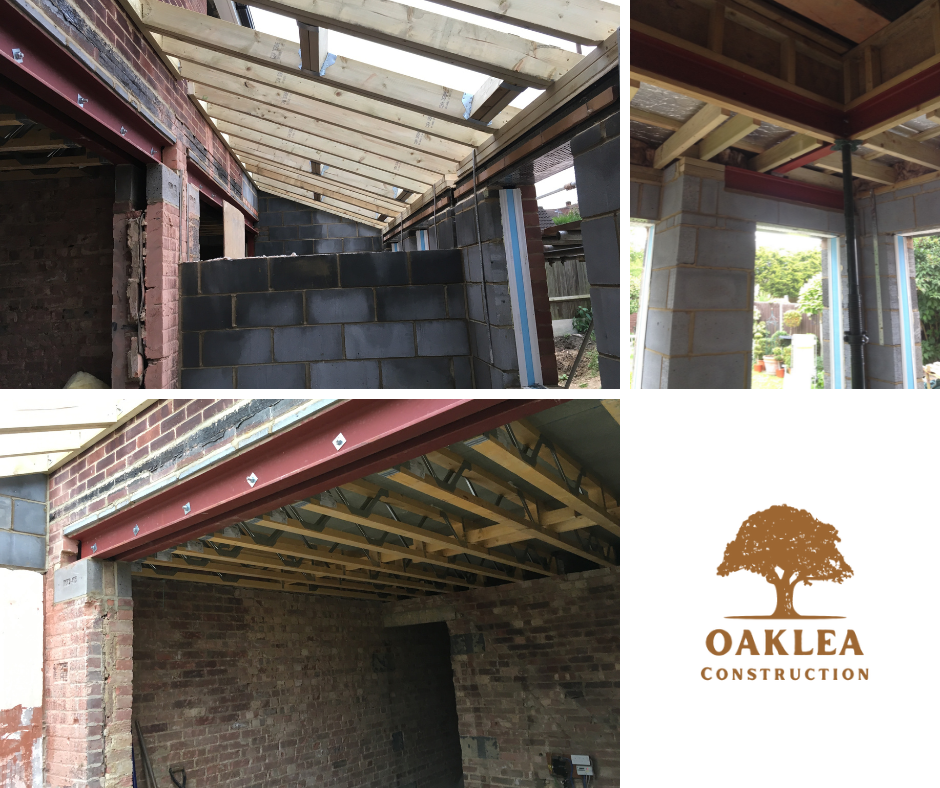
Exploring Different Types of Steel Beams and Their Use Cases
Steel beams are integral to the construction industry, providing the structural support needed for a variety of building projects. Understanding the different types of steel beams and their specific applications can help you choose the right materials for your project, ensuring both safety and efficiency. We will explore various types of steel beams, their use cases, and the benefits of each. Steel beams can be found in various sizes and shapes which we will explore throughout this article.
Introduction to Steel Beams
Steel beams are horizontal structural elements that bear loads, primarily by resisting bending. They are commonly used in construction to support floors, roofs, and walls. The versatility, strength, and durability of steel make it a preferred material for beams in both residential and commercial construction. It is important to understand the different types structural steel beams and where they are typically used. Steel beams are often used to provide horizontal and vertical support which allows you to save space on the structural elements of a building. Beams are typically much stronger in tension when compared to other building material options such as concrete, this gives them the ability to carry heavy loads over a larger span due to their unique properties.
Main Types of Structural Steel Beams
I-Beams (Universal Beams)
Description
I-beams, also known as universal beams, have a distinctive “I” shape when viewed from the cross-section. They consist of two horizontal plates (flanges) connected by a vertical component (web).
Use Cases
- Building Frames: Commonly used in the construction of building frames due to their high load-bearing capacity.
- Bridges: Essential in bridge construction, providing robust support for heavy loads and spanning large distances.
- Support Structures: Employed in the creation of support structures like columns and beams in buildings and warehouses.
Benefits
- High Strength-to-Weight Ratio: Provides substantial strength without adding excessive weight.
- Versatility: Suitable for a wide range of applications in construction and engineering.
- Durability: Resistant to deformation under heavy loads.
H-Beams (Wide Flange Beams)
Description
H-beams have a similar shape to I-beams but with wider flanges, giving them an “H” appearance in the cross-section. They are designed to handle larger loads than I-beams.
Use Cases
- Large-Scale Construction: Ideal for large-scale construction projects like high-rise buildings and bridges.
- Industrial Applications: Used in heavy machinery and industrial equipment due to their strength.
Benefits
- Load Distribution: Wider flanges provide better load distribution, enhancing stability.
- Greater Strength: Can support larger and heavier loads compared to I-beams.
- Flexibility: Suitable for both horizontal and vertical applications.
T-Beams
Description
T-beams, or tee beams, have a “T” shaped cross-section, consisting of a flange and a vertical web.
Use Cases
- Residential Construction: Commonly used in residential buildings for floor and roof construction.
- Bridge Decks: Employed in the construction of bridge decks and other similar structures.
Benefits
- Efficient Load Bearing: Effective in carrying both tensile and compressive loads.
- Cost-Effective: Generally more economical for certain applications compared to other types of beams.
- Ease of Use: Simpler to handle and install in smaller construction projects.
L-Beams (Angle Beams)
Description
L-beams, or angle beams, have an “L” shaped cross-section and are typically used for structural support.
Use Cases
- Framing: Used in framing applications such as supporting corners and edges of structures.
- Reinforcement: Provides reinforcement in construction projects, especially in conjunction with other types of beams.
Benefits
- Flexibility: Can be used in various structural applications, offering support where needed.
- Strength: Adds strength and stability to the structures.
- Economical: Cost-effective and easy to manufacture.
Channel Beams (C-Beams)
Description
Channel beams, or C-beams, have a “C” shaped cross-section, with flanges on only one side of the web.
Use Cases
- Trusses and Frames: Commonly used in trusses and frames for buildings and bridges.
- Railings and Frames: Ideal for use in railings, frames, and other architectural elements.
Benefits
- Versatile: Suitable for a wide range of applications.
- Ease of Installation: Easier to install and align due to their shape.
- Lightweight: Provides strength without adding excessive weight.
Box Beams (Hollow Structural Sections)
Description
Box beams, also known as hollow structural sections (HSS), have a rectangular or square cross-section.
Use Cases
- Columns and Piers: Used as columns and piers in building construction due to their strength.
- Framework: Employed in creating framework for buildings, bridges, and other structures.
Benefits
- High Strength: Provides high strength and rigidity.
- Aesthetic Appeal: Offers a clean, modern look, suitable for visible architectural elements.
- Efficient Load Bearing: Efficiently handles compressive loads.
How Steel Beams Are Made
Steel beams are made through a process that starts with extracting raw materials like iron ore, coal, and limestone. These materials are melted together in a furnace to produce molten steel. The molten steel is then cast into semi-finished shapes. These semi-finished forms are heated and passed through rolling mills to achieve the desired beam shape. The beams are then cut to the necessary sizes, straightened, and may receive surface treatments to protect against corrosion. Finally, they undergo quality control checks to ensure they meet required standards.
Conclusion
As steel beams come in various shapes and sizes, choosing the right type of steel beam for your construction project depends on various factors, including the load requirements, structural design, and budget. Each type of steel beam has its own advantages and is suited to different applications.
- I-Beams: Ideal for general construction and heavy load-bearing structures.
- H-Beams: Suitable for large-scale projects and industrial applications.
- T-Beams: Cost-effective for residential and bridge construction.
- L-Beams: Flexible and economical for structural support.
- Channel Beams: Versatile and easy to install for framing and architectural elements.
- Box Beams: High strength and aesthetic appeal for columns and framework.
- Z-Beams: Specific applications like roof purlins and steel framing.
Steel is a very robust and durable material that is designed to support loads on various construction projects. Although, structural steel has many qualities, it is important to understand its flaws too. Steel can be susceptible to corrosion which can cause the steel to expand and displace other elements of the building.
